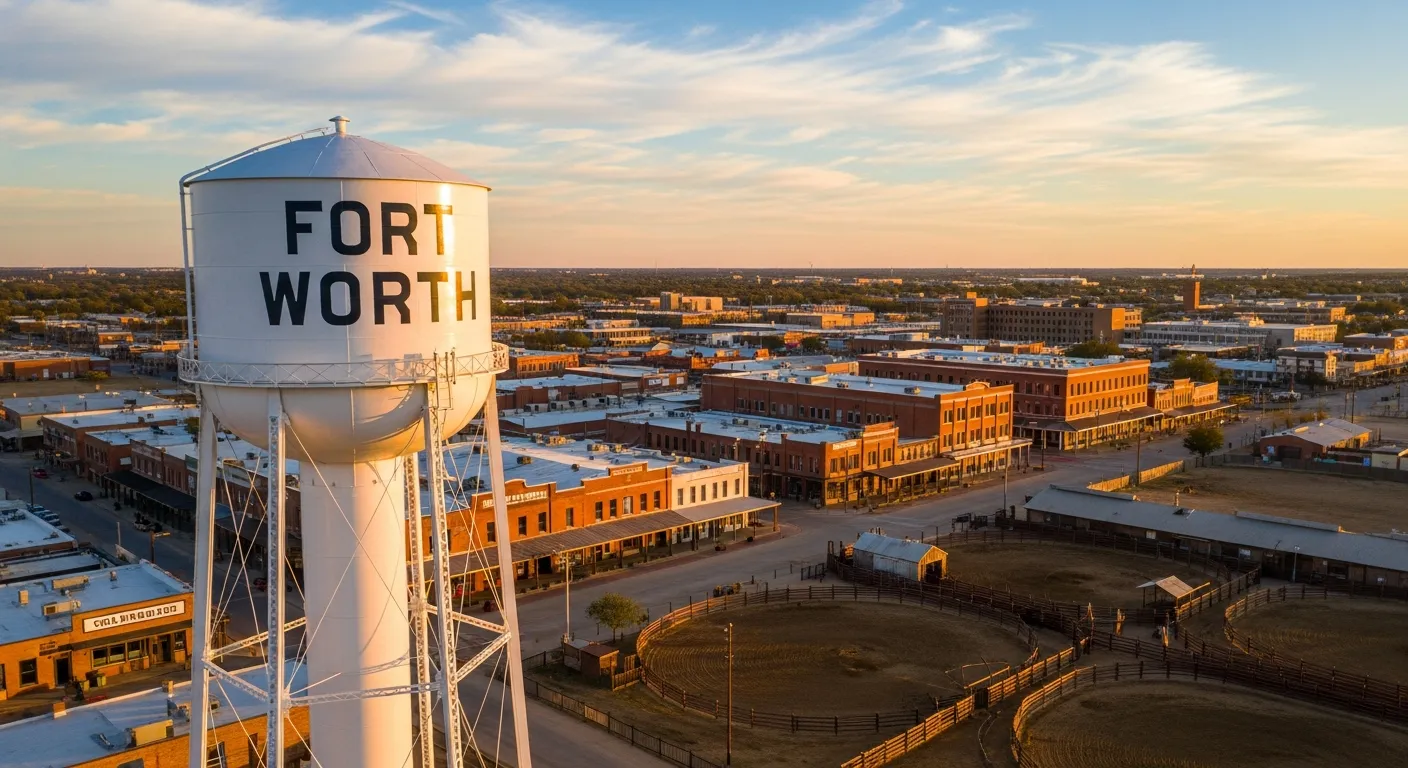
Fort Worth sits at a crossroads of climate, construction, and geography that creates a distinct set of mold challenges for local homeowners. Fort Worth's humid subtropical climate averages 34 inches of rainfall annually with summer temperatures exceeding 100 degrees. The combination of heat and humidity creates ideal conditions for mold growth, especially in older structures.
A family in the Ryan Place historic district noticed a persistent musty smell in their 1920s Craftsman bungalow every time it rained. After months of assuming it was just the old house, a professional inspection revealed extensive Aspergillus growth behind the original plaster walls in the dining room, fed by decades of moisture seeping through hairline cracks in the pier-and-beam foundation. The mold had spread into the wall cavities along the entire south side of the home, requiring careful remediation to preserve the historic millwork.
Mold Testing Fort Worth provides Fort Worth residents with certified mold assessment professionals who understand these local dynamics. Our inspectors serve neighborhoods including Downtown, Fairmount, Ryan Place, and every surrounding community within Fort Worth city limits. With 30-minute response times, we get inspectors to your property quickly when concerns arise.
The predominant black clay soil (Eagle Ford Shale region) expands and contracts dramatically with moisture changes. This causes foundation shifting that creates cracks in walls, floors, and around windows where moisture can enter and promote hidden mold colonies.
Fort Worth, Texas — Proudly serving this community with professional mold testing and inspection services
Every Fort Worth property has unique characteristics that influence mold risk. Our certified inspectors deliver thorough mold testing services tailored to local conditions. Here are the services available for Fort Worth residents:
Comprehensive Mold Inspection
Fort Worth's Eagle Ford Shale clay soil causes dramatic foundation movement that opens moisture pathways invisible from inside the home. Our inspectors use thermal imaging and pin-type moisture meters to trace moisture migration through foundation cracks in neighborhoods like Wedgwood and Ridglea, where the clay expansion-contraction cycle is most aggressive and creates chronic hidden moisture accumulation behind drywall. Older downtown buildings with aging plumbing systems Our inspectors understand Fort Worth's unique construction patterns and where mold is most likely to develop.
Air Quality Testing
Fort Worth's position along the Trinity River floodplain creates chronically elevated humidity in neighborhoods like Riverside and Meadowbrook, making indoor air quality testing critical for detecting airborne spore counts that accumulate in older pier-and-beam homes. Our certified inspectors use calibrated air sampling equipment to measure spore concentrations room by room, comparing results against outdoor baseline readings taken at the specific property location.
Surface Mold Sampling
The historic homes in Fort Worth's Fairmount and Near Southside districts feature original plaster walls and wood trim that can harbor surface mold colonies hidden behind layers of paint. Surface sampling by our certified inspectors identifies the exact mold species present on building materials, which is essential for determining whether the growth is a surface-level cosmetic issue or an indicator of deeper moisture intrusion through Fort Worth's century-old construction.
Moisture Mapping & Detection
Using thermal imaging cameras and professional moisture meters, we create a comprehensive moisture map of your Fort Worth property. The predominant black clay soil (Eagle Ford Shale region) expands and contracts dramatically with moisture changes. Identifying moisture sources early prevents mold before it becomes a larger problem.
Post-Clearance Testing
After mold remediation in Fort Worth's older homes, clearance testing is essential because the pier-and-beam foundations and plaster wall construction common in Arlington Heights and the Cultural District can harbor residual spores in voids and cavities that are difficult to access during remediation. Our inspectors conduct independent post-remediation verification with air and surface sampling to confirm that containment was maintained and spore counts have returned to acceptable levels.
Pre-Purchase Mold Assessment
Fort Worth's housing market spans from $150,000 starter homes in Stop Six to multi-million-dollar estates in Westover Hills, and each end of the spectrum carries distinct mold risks tied to construction era and maintenance history. Pre-purchase mold inspections by our certified inspectors protect buyers investing in Fort Worth real estate by identifying hidden moisture issues before closing, particularly in the historic districts where charm can mask decades of deferred moisture management.
ERMI Mold Testing
ERMI (Environmental Relative Moldiness Index) testing uses EPA-developed DNA analysis to identify 36 mold species in your Fort Worth home. This advanced method detects mold that traditional air and surface sampling may miss, providing a comprehensive mold burden score.
✓
Independent & unbiased results. Our certified inspectors serve Fort Worth and are never affiliated with remediation. We deliver lab-verified mold assessments you can trust.
Why Fort Worth Residents Choose Mold Testing Fort Worth
Local Fort Worth Expertise: Our team knows Fort Worth's construction patterns, soil conditions, and common moisture issues inside and out.
Fast 30-minute Response: We schedule Fort Worth appointments with dedicated scheduling to provide rapid service. Most inspections are scheduled within 24-48 hours.
Certified Professional Inspectors: Our inspectors use professional-grade moisture meters, thermal imaging, and calibrated air sampling equipment to deliver accurate results you can trust.
Independent and Unbiased: We focus exclusively on mold testing and inspection. We never perform remediation, so findings are always objective and conflict-free.
Comprehensive Reporting: Every Fort Worth inspection includes a detailed written report with findings, lab results, moisture maps, photos, and actionable recommendations.
Transparent Pricing: Services start at $600 (2 samples, +$0.10/sq ft over 2,500 sq ft). No hidden fees, no upselling. Get your free consultation today.
Neighborhoods We Serve in Fort Worth
Our mold testing services cover all neighborhoods and communities within Fort Worth, including:
Don't see your neighborhood listed? We serve all areas within Fort Worth city limits and surrounding unincorporated areas. Call 940-240-6902 to confirm service availability at your address.
Mold Testing Considerations for Fort Worth Homes
The predominant black clay soil (Eagle Ford Shale region) expands and contracts dramatically with moisture changes. This causes foundation shifting that creates cracks in walls, floors, and around windows where moisture can enter and promote hidden mold colonies.
Key Environmental Factors in Fort Worth
Older downtown buildings with aging plumbing systems
Clay soil foundation movement creating cracks and moisture entry points
Common Mold-Related Issues We Find in Fort Worth
Foundation cracks from expansive clay soil allowing moisture intrusion
Aging HVAC systems in older homes creating condensation
Poor drainage in established neighborhoods causing crawl space moisture
Historic home weatherization gaps letting humidity in
Understanding these Fort Worth-specific factors is why homeowners trust our local expertise. Our inspectors know exactly where to look based on your property's age, construction type, and neighborhood location within Fort Worth. For more information about protecting your home, visit our mold testing blog for seasonal tips and expert guidance.
Understanding Mold Risk in Fort Worth
Fort Worth's position along the Trinity River creates a unique set of mold challenges that differ from any other city in the metroplex. The river's floodplain stretches through neighborhoods like Riverside and Meadowbrook, where periodic flooding and consistently elevated water tables keep soil moisture high year-round. In the historic Fairmount and Ryan Place districts, homes built in the early 1900s through the 1950s feature original pier-and-beam foundations, plaster walls, and single-pane windows that were never designed with modern moisture management in mind. These older structures, combined with Fort Worth's black clay soil from the Eagle Ford Shale formation, create conditions where foundation movement opens pathways for moisture intrusion that homeowners may not notice until mold colonies are well established.
The city's rapid growth from a frontier cattle town to the 13th largest city in America means Fort Worth's housing stock spans more than a century of construction methods. Neighborhoods like Arlington Heights and Ridglea feature mid-century ranch homes with original HVAC ductwork that develops condensation issues, while newer areas in far north and south Fort Worth have energy-efficient construction that can trap indoor humidity from cooking, showering, and daily activities. The Cultural District and TCU Area sit on some of the most active clay soils in the region, where the dramatic expansion and contraction cycle creates chronic foundation stress and wall cracking that allows hidden moisture accumulation behind drywall.
Our Fort Worth Service Record
100%
Independent Testing
30-minute
Response Time
100%
Satisfaction Guarantee
24-48 hrs
Scheduling Window
1-3 days
Lab Results
20+
ZIP Codes Covered
About Fort Worth, Texas
Fort Worth's population has reached 958,000+ residents, with approximately 350,000+ households. The median home age is 35 years, which means many properties were built before modern moisture barrier standards were established.
Fort Worth is the 13th largest city in the US with a diverse economy including defense, aerospace (Lockheed Martin), energy, and a thriving cultural district.
For homeowners in Fort Worth, understanding your property's age, construction type, and local environmental factors is key to effective mold prevention. Our mold testing blog offers additional resources and tips specific to the DFW area.
Mold Testing Questions from Fort Worth Customers
How much does mold testing cost in Fort Worth?
Mold testing in Fort Worth starts at $600, which includes a comprehensive visual inspection, 2 air or surface samples, moisture mapping, and a detailed written report. For homes over 2,500 sq ft, there is an additional $0.10 per square foot charge. Call 940-240-6902 for a personalized quote.
How long does a mold inspection take in Fort Worth?
A typical mold inspection in Fort Worth takes 1.5 to 3 hours depending on the size of the property and the areas that need assessment. Our inspectors thoroughly examine all accessible areas, take moisture readings, collect samples, and document their findings for your detailed report.
What are common signs of mold in Fort Worth homes?
Common mold indicators in Fort Worth homes include musty odors, visible discoloration on walls or ceilings, water stains, peeling paint, respiratory symptoms that improve when you leave home, and condensation on windows. Foundation cracks from expansive clay soil allowing moisture intrusion
Do I need mold testing before buying a home in Fort Worth?
We strongly recommend mold testing before purchasing any home in Fort Worth. The predominant black clay soil (Eagle Ford Shale region) expands and contracts dramatically with moisture changes. A professional inspection can reveal hidden mold issues that could cost thousands to address after closing. Our pre-purchase mold assessment gives you negotiating power and peace of mind.
How quickly can you schedule a mold inspection in Fort Worth?
We typically provide 30-minute response for Fort Worth appointments, with most inspections scheduled within 24-48 hours of your call. For urgent situations involving water damage or health concerns, we offer priority scheduling. Call 940-240-6902 to find the next available time that works for your schedule.
What types of mold testing do you offer in Fort Worth?
We offer comprehensive mold testing services in Fort Worth including air quality sampling, surface sampling, moisture mapping with thermal imaging, visual inspection, and post-remediation clearance testing. Each service is tailored to Fort Worth's specific environmental conditions and housing characteristics.
How does the Trinity River affect mold risk in Fort Worth neighborhoods?
The Trinity River and its tributaries create elevated water tables and increased humidity in adjacent neighborhoods like Riverside, Meadowbrook, and the Near Southside. Homes within the river's floodplain face higher groundwater levels that wick moisture through slab foundations and keep pier-and-beam crawl spaces damp. Our certified mold assessment professionals use moisture mapping technology to identify these hidden moisture sources that are common in river-adjacent Fort Worth properties.
Why do Fort Worth's clay soils cause mold problems in homes?
Fort Worth sits on Eagle Ford Shale black clay that expands dramatically when wet and shrinks when dry. This constant movement creates cracks in foundations, walls, and around window frames where moisture enters undetected. Over time, these hidden moisture pathways allow mold to establish colonies behind walls and under flooring. A professional mold inspection includes moisture mapping to find these clay-soil-related entry points that are especially common in neighborhoods like Wedgwood, Ridglea, and TCU Area.
Mold Testing Services Available in Fort Worth
Our certified inspectors offer a full range of professional mold testing services for Fort Worth residents:
Each service includes detailed lab reports and actionable recommendations. View all services or call 940-240-6902 to discuss which testing option is right for your Fort Worth property.
Mold Testing Resources for Fort Worth Homeowners
Stay informed about mold prevention and testing best practices with these helpful articles from our experts:
Need Mold Testing in Fort Worth? We're Here to Help
Whether you've noticed signs of mold, are buying a home in Fort Worth, or want peace of mind about your indoor air quality, Mold Testing Fort Worth is your trusted local mold testing company. With a 30-minute response time and certified inspectors who know Fort Worth, we're ready to help.
Pricing: Starting at $600 (includes 2 samples, moisture inspection, full report; +$0.10/sq ft over 2,500 sq ft). Call 940-240-6902 for a personalized quote.
Schedule Your Fort Worth Mold Inspection Today
Same-week appointments available. 30-minute response time for Fort Worth residents.
Starting at $600 — 2 samples, moisture inspection & full report included