What Is Chronic Inflammatory Response Syndrome (CIRS)?
Chronic Inflammatory Response Syndrome (CIRS) is a multi-system, multi-symptom illness caused by exposure to biotoxins found in water-damaged buildings. First identified and defined by Dr. Ritchie Shoemaker, CIRS occurs when the body's innate immune system is triggered by exposure to toxigenic organisms -- including fungi, bacteria, actinomycetes, and mycobacteria -- along with the inflammagens they produce, such as endotoxins, beta glucans, hemolysins, proteinases, mannans, and volatile organic compounds (VOCs).
An estimated 25% of the general population carries the HLA-DR gene variation that makes them genetically susceptible to CIRS. For these individuals, the body cannot properly identify and clear these biotoxins, leading to a chronic inflammatory cascade that affects virtually every organ system. Symptoms range widely and can include chronic fatigue, cognitive difficulties ("brain fog"), joint and muscle pain, headaches, respiratory issues, light sensitivity, and gastrointestinal problems.
CIRS is increasingly recognized by the medical community as a legitimate, diagnosable condition with measurable biomarkers including elevated TGF-beta 1, C4a, MMP-9, MSH, VIP, and VEGF abnormalities. Proper diagnosis requires both clinical evaluation by a trained physician and environmental investigation to identify the biotoxin source -- which is where specialized mold testing becomes essential to the treatment process.
Why CIRS Patients Need Specialized Mold Testing
Standard mold testing was designed to identify obvious mold contamination that affects the general population. For most homeowners, traditional air sampling provides adequate information about whether indoor mold levels are elevated compared to outdoor baselines. However, CIRS patients face a fundamentally different challenge -- their immune systems react to contamination levels that standard testing considers "normal" or "acceptable."
There are several critical reasons why standard mold testing falls short for CIRS patients:
- Lower reaction thresholds: CIRS patients with the HLA-DR susceptibility gene react to mold concentrations far below levels that trigger symptoms in the general population. Standard air sampling may report "normal" results while the environment is actively making a CIRS patient sick.
- Hidden contamination sources: Standard air sampling captures what's currently airborne at the moment of testing. Mold growing inside wall cavities, beneath flooring, or in HVAC ductwork may not release enough spores during testing to register on standard samples, yet continues to produce inflammagens that affect CIRS patients.
- Species-specific analysis required: CIRS treatment protocols require identification of specific mold species -- not just genus-level identification that standard spore trap analysis provides. The EPA's mold guidelines note that different species pose different health risks, making species-level identification critical for treatment planning.
- Comprehensive sampling methodology: A CIRS-specific inspection requires ERMI (Environmental Relative Moldiness Index) and HERTSMI-2 testing via qPCR DNA analysis in addition to traditional surface sampling and air sampling. This combination provides a complete picture of both current and historical mold contamination.
- Remediation protocol specificity: CIRS patients need to know not just whether mold is present, but the exact species, concentrations, and locations to develop a remediation protocol that achieves CIRS-safe thresholds -- not merely "acceptable" levels for the general population.
The CIRS Inspection Protocol: Step by Step
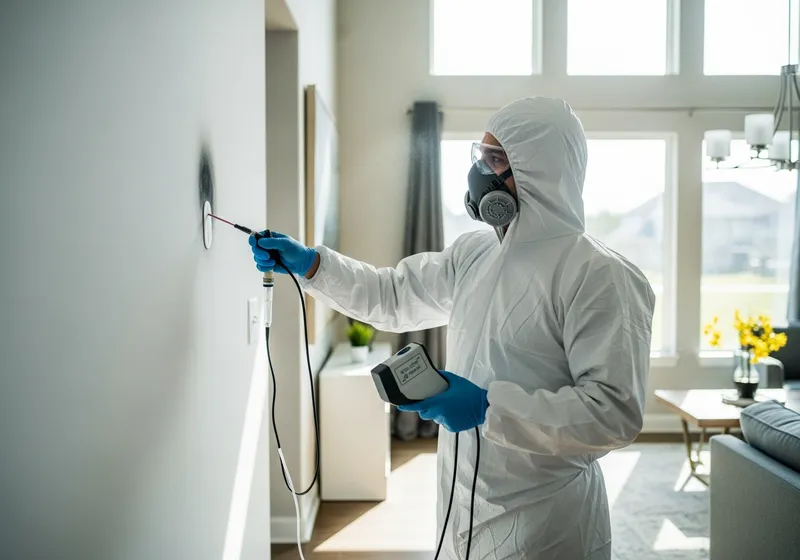
Our inspectors follow a comprehensive, multi-phase inspection protocol specifically designed for CIRS patients. This protocol goes well beyond standard mold testing to provide the detailed environmental data that treating physicians need.
1
Detailed Physical Inspection
A thorough examination of the entire property to identify moisture intrusion points, water damage history, and areas of concern. This includes checking behind appliances, inside cabinets, around windows and plumbing penetrations, in attics and crawl spaces, and examining the building envelope for potential entry points.
2
Comprehensive Multi-Method Sampling
Unlike standard testing that relies primarily on air sampling, CIRS protocol testing includes qPCR testing (ERMI and HERTSMI-2), traditional spore trap air sampling, surface tape lift and swab sampling, cavity wall sampling where hidden contamination is suspected, and settled dust sampling from multiple locations throughout the property.
3
AIHA-Accredited Laboratory Analysis
All samples are sent to AIHA-accredited laboratories specializing in qPCR DNA analysis. This molecular-level testing identifies 36 mold species for ERMI scoring and the 5 most critical species for HERTSMI-2 scoring, providing far more detailed data than standard microscopy.
4
Detailed CIRS-Specific Report
A comprehensive inspection report documenting all findings: species identification, concentration levels, ERMI and HERTSMI-2 scores, moisture mapping results, photographic documentation, and a CIRS-specific remediation protocol with clear thresholds for achieving a safe environment.
5
Findings Consultation
A detailed consultation to review all findings and recommendations. The inspector explains ERMI and HERTSMI-2 scores, identifies contamination sources, and outlines the specific remediation steps needed. Reports are formatted to be compatible with the Shoemaker Protocol and other CIRS treatment frameworks.
6
Remediation Oversight & Consultation
Ongoing consultation throughout the remediation process to ensure the remediation company follows CIRS-specific protocols. This oversight helps prevent common remediation mistakes that leave behind contamination levels unacceptable for CIRS patients.
7
Post-Remediation Clearance Testing
Clearance testing after remediation is complete to verify the environment meets CIRS-safe thresholds. This includes repeat ERMI/HERTSMI-2 sampling to confirm scores have dropped below safe levels before a sensitive patient returns to the space.
8
Follow-Up Monitoring Schedule
A recommended follow-up testing schedule to monitor ongoing environmental health. CIRS patients benefit from periodic retesting to catch any new moisture intrusion or contamination before it reaches levels that trigger symptom relapse.
✓
Independent & unbiased results. Our inspectors are dedicated testing professionals who never perform remediation. This independence ensures CIRS patients receive honest, accurate environmental assessments without any conflict of interest.
Self-Testing vs. Professional CIRS Inspection
DIY HERTSMI kits are readily available online and can provide useful initial screening data. However, for CIRS patients, self-testing alone is insufficient for several important reasons:
- Source identification: A self-test ERMI or HERTSMI-2 kit can confirm that mold contamination exists in your home, but it cannot tell you where the contamination is coming from. Without identifying the source -- a leaking pipe inside a wall, condensation in the attic, foundation moisture intrusion -- remediation cannot effectively address the problem.
- Hidden moisture assessment: Self-test kits collect settled dust from one or two locations. A professional CIRS inspection includes thermal imaging, moisture meter surveys, and physical investigation of potential problem areas that dust sampling alone cannot evaluate.
- Remediation protocol development: A positive HERTSMI-2 result tells you there's a problem but doesn't provide a remediation protocol. Professional inspection identifies specific contamination locations, affected materials, and the scope of work needed -- information a remediation company needs to properly address the issue.
- Sample collection technique: Proper dust sample collection requires specific technique -- the correct surface area, collection method, and sample handling. Improperly collected samples can produce inaccurate results that either miss contamination or overstate the problem, leading to unnecessary expense or inadequate remediation.
- Comprehensive assessment: A trained CIRS inspector examines building systems, HVAC equipment, and structural elements that a homeowner may not know to check. Many CIRS patients have contamination in areas they would never think to sample -- inside wall cavities, above dropped ceilings, or in HVAC plenums.
Self-testing has its place as a preliminary screening tool, but it should be followed by professional inspection when results indicate contamination or when a CIRS patient continues experiencing symptoms despite negative self-test results.
For Healthcare Providers: Partner With Us on CIRS Cases
Our inspectors work alongside physicians, functional medicine practitioners, and environmental medicine doctors throughout the Fort Worth and DFW area who treat CIRS patients. We understand that successful CIRS treatment requires both medical intervention and environmental remediation, and accurate environmental testing is the bridge between the two.
When you refer a patient for CIRS protocol testing through Mold Testing Fort Worth, our team provides:
- Comprehensive ERMI/HERTSMI-2 reports compatible with the Shoemaker Protocol and other CIRS treatment frameworks
- Direct communication with you (with patient authorization) to discuss environmental findings and their clinical implications
- Species-level identification with concentration data to help guide treatment decisions
- Post-remediation verification testing to confirm the environment meets CIRS-safe thresholds before patient re-occupancy
- Ongoing environmental monitoring to support long-term treatment success
If you're a DFW-area healthcare provider treating CIRS patients and would like to discuss partnership on patient cases, call 940-240-6902 or contact us online. We're committed to providing the environmental investigation component your patients need for successful treatment outcomes.
Healthcare providers: We provide detailed environmental reports designed for clinical use. Call 940-240-6902 to discuss how we can support your CIRS patients' environmental investigation needs.
Fort Worth-Specific CIRS Risk Factors
The Fort Worth and DFW metroplex presents unique environmental challenges that increase CIRS risk for susceptible residents. Understanding these local factors helps explain why CIRS protocol testing is particularly important in our area.
Older housing stock in historic neighborhoods: Fort Worth neighborhoods like Fairmount, Ryan Place, Mistletoe Heights, and Berkeley Place feature beautiful homes built between the 1920s and 1960s. These older homes often have construction methods and materials more susceptible to moisture intrusion -- plaster walls without vapor barriers, single-pane windows that create condensation, and aging plumbing systems prone to slow leaks that go undetected for years inside wall cavities.
Storm damage patterns: Fort Worth experiences severe thunderstorms, hail events, and occasional tornado activity. Roof damage from hail, wind-driven rain intrusion around windows, and flash flooding create moisture entry points that can fuel hidden mold growth for months or years before becoming apparent -- long enough to create serious problems for CIRS patients.
Trinity River floodplain: Properties near the Clear Fork and West Fork of the Trinity River face elevated flood risk. Even properties outside the designated floodplain can experience moisture issues from high water tables and seasonal groundwater fluctuation that pushes moisture through foundation walls and slab-on-grade construction.
Foundation settling and moisture intrusion: North Texas expansive clay soils cause significant foundation movement in many Fort Worth homes. As foundations settle and shift, gaps develop around plumbing penetrations, between the slab and framing, and in exterior walls -- creating pathways for moisture intrusion that are invisible from inside the home but create ideal conditions for hidden mold growth.
Climate extremes: Fort Worth's combination of extreme summer heat (regularly exceeding 100°F), high humidity, and air-conditioned interiors creates dramatic temperature differentials that drive condensation inside wall cavities and attic spaces. This condensation -- combined with DFW's typical 60-70% summer humidity -- provides the sustained moisture that toxigenic mold species need to colonize building materials, producing the inflammagens that trigger CIRS in susceptible individuals.
CIRS Protocol Testing: Frequently Asked Questions
How is CIRS mold testing different from regular mold testing?
Standard mold testing uses air sampling to measure airborne spore counts, which provides a snapshot of what's currently in the air. CIRS protocol testing goes significantly further by including ERMI and HERTSMI-2 dust sampling analyzed via qPCR DNA analysis, which detects mold species at much lower concentrations. CIRS patients react to levels that standard testing considers normal, so this specialized approach identifies contamination that traditional air sampling routinely misses.
What is an ERMI or HERTSMI-2 score and what does it mean?
ERMI (Environmental Relative Moldiness Index) scores range from roughly -10 to 20+, comparing 36 mold species in your home's dust against a national reference database. Scores above 2 are concerning for CIRS patients. HERTSMI-2 is a streamlined version focusing on the 5 most dangerous species for CIRS patients. Scores above 10 on the HERTSMI-2 indicate an environment that is unsafe for individuals with the HLA-DR susceptibility gene and requires professional remediation.
How long does a CIRS protocol mold inspection take?
A comprehensive CIRS protocol inspection typically takes 3 to 5 hours on-site, significantly longer than a standard 1-2 hour mold inspection. The additional time accounts for detailed physical investigation of every potential moisture intrusion point, collection of multiple sample types from numerous locations, cavity wall sampling, and thorough documentation. Lab results for qPCR analysis take 7 to 10 business days, longer than standard air sample results.
What happens after the CIRS inspection is complete?
After lab results return, the inspector prepares a comprehensive report including species identification, concentration levels, ERMI and HERTSMI-2 scores, moisture mapping findings, and a CIRS-specific remediation protocol. A detailed consultation walks you through the findings and recommendations. The report is formatted to be compatible with the Shoemaker Protocol and can be shared directly with your treating physician to coordinate the environmental component of your CIRS treatment plan.
Do you work with my CIRS-treating physician?
Absolutely. Our inspectors regularly collaborate with physicians, functional medicine practitioners, and environmental medicine doctors throughout the DFW area who treat CIRS patients. Inspection reports are designed to provide the environmental data your doctor needs to make treatment decisions. With your authorization, our team can communicate directly with your healthcare provider to discuss findings, answer questions about the testing methodology, and provide follow-up data.
What does a CIRS-safe home environment look like?
A CIRS-safe environment typically has an ERMI score below 2 and a HERTSMI-2 score below 10, with no active moisture intrusion or water damage. It requires proper ventilation, controlled humidity levels below 50%, no hidden mold reservoirs behind walls or in HVAC systems, and clean ductwork. Achieving and maintaining a CIRS-safe home often requires professional remediation followed by clearance testing to verify the environment meets these thresholds before a sensitive patient can safely return.
Helpful Mold Testing Articles
Learn more about mold testing, indoor air quality, and protecting your health from our expert guides:
Browse all articles for more mold testing tips and guidance.
Trusted CIRS & Mold Safety Resources
For additional information about CIRS, mold health risks, and testing standards:
Related Services
Need CIRS Protocol Testing in Fort Worth?
Our certified inspectors provide comprehensive CIRS-specific environmental assessments with ERMI/HERTSMI-2 testing, detailed reports compatible with your treatment protocol, and ongoing support throughout remediation and clearance.
Home > Services > CIRS Protocol