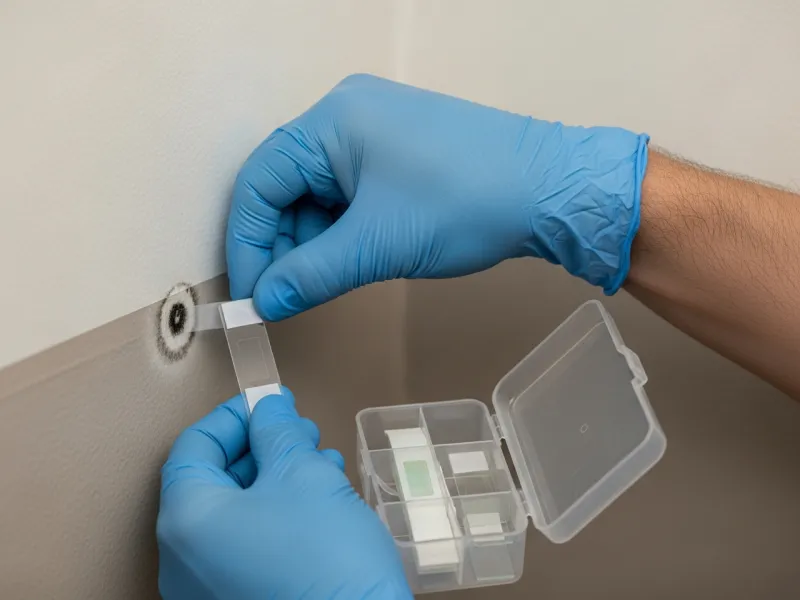
Quality surface mold sampling makes the difference between understanding exactly what's growing in your Fort Worth home and guessing about potential risks. When you spot suspicious discoloration on bathroom walls, dark patches along baseboards, or fuzzy growth on ceiling tiles, professional surface sampling provides definitive answers about the specific mold species present and the appropriate response. Mold Testing Fort Worth's certified inspectors collect targeted samples from affected surfaces using specialized techniques that preserve organism integrity for accurate laboratory identification. Serving homeowners across Tarrant County for years, we've analyzed thousands of surface samples from properties ranging from historic Fairmount bungalows to modern suburban homes. Our independent testing ensures you receive unbiased results and clear guidance. Reach us at 940-240-6902 to schedule your surface sampling appointment.
What Is Surface Mold Sampling?
Surface mold sampling collects physical specimens from walls, ceilings, and other building materials using tape lifts, swabs, or bulk samples, which are then analyzed in a laboratory to identify specific mold species and determine appropriate remediation approaches.
Surface mold sampling involves collecting physical specimens directly from materials where visible or suspected mold growth exists. Inspectors use tape lifts, swab collections, or bulk material samples to gather organisms from walls, ceilings, floors, window frames, and other building surfaces. These samples are analyzed under microscopy at accredited laboratories to identify the specific mold genera or species present, their growth stage, and relative concentration. Unlike air sampling which captures what's floating in your environment, surface sampling tells you exactly what's growing on specific materials in your home—critical information for determining health risks and planning effective remediation strategies.
Surface Mold Sampling Process: How We Work
1
Visual Assessment
Before collecting samples, the inspector conducts a thorough visual examination of affected areas using high-intensity lighting and magnification to identify all locations with suspected growth, staining, or discoloration.
2
Sample Location Selection
We strategically select sampling locations to capture the range of growth present. This includes areas of heaviest growth, peripheral zones, and comparison samples from unaffected surfaces to establish baselines.
3
Tape Lift Collection
Clear adhesive tape is pressed firmly against the growth surface and carefully removed to capture mold structures and spores. This non-destructive method preserves the relationship between organisms and the surface substrate.
4
Swab Collection
For textured surfaces, crevices, or areas where tape lifts aren't effective, sterile swabs are used to collect organisms. Swab samples capture material from hard-to-reach locations like grout lines and window channels.
5
Bulk Material Sampling
When deeper analysis is needed, small sections of affected material (drywall, insulation, wood) are carefully removed. Bulk samples reveal how deeply mold has penetrated building materials and whether remediation will require material removal.
6
Documentation & Photography
Every sample location is photographed and documented with detailed notes about the affected area, surrounding conditions, moisture readings, and material type. This documentation supports your final report and any insurance claims.
✓
Independent & unbiased results. Our certified inspectors focus on testing only -- never affiliated with remediation. Our team serves 31 DFW cities with lab-verified mold assessments.
Our Surface Mold Sampling Options
Tape Lift Sampling
Clear tape pressed against surfaces captures mold structures intact. The tape is mounted on a microscope slide for direct examination, preserving the spatial arrangement of organisms.
Best for: Smooth surfaces like painted drywall, window sills, ceiling tiles, and finished wood where growth is accessible and relatively flat.
Swab Sampling
Sterile cotton or synthetic swabs collect organisms from irregular surfaces. Samples can be analyzed by direct microscopy or cultured on growth media for species identification.
Best for: Textured surfaces, grout lines, HVAC components, pipe connections, and areas where tape cannot make full contact.
Bulk Material Sampling
Physical sections of affected building material are removed for laboratory analysis. This method shows mold penetration depth and can identify organisms growing within material layers.
Best for: Determining whether affected drywall, wood, insulation, or carpet padding needs replacement versus surface cleaning during remediation.
Micro-Vacuum Sampling
A specialized micro-vacuum attachment collects settled dust and particulates from surfaces within a defined area. This method captures both viable and non-viable organisms from dust reservoirs.
Best for: Flat surfaces where settled spores accumulate, such as shelving, ductwork interiors, and areas above drop ceilings.
Benefits of Professional Surface Mold Sampling
Species-Level Identification
Surface samples provide enough material for detailed microscopic analysis, often achieving species-level identification that helps assess specific health risks.
Confirms Visual Findings
Not every dark stain or discoloration is mold. Surface sampling definitively confirms whether suspicious spots are actually fungal growth or harmless staining.
Determines Growth Activity
Lab analysis can distinguish between active growing mold and dormant or dead organisms, helping determine urgency of response.
Guides Material Decisions
Bulk sampling reveals penetration depth, helping homeowners understand whether affected materials need surface treatment or complete replacement.
Supports Insurance Documentation
Lab-certified results from surface samples provide documented evidence of mold type and extent for insurance claims and property transactions.
Cost-Effective Targeted Testing
Surface sampling focuses directly on areas of concern, providing specific answers about identified growth without requiring whole-home air testing.
Why Choose Mold Testing Fort Worth for Surface Mold Sampling?
- Our inspectors use multiple sampling techniques matched to each surface type, ensuring optimal specimen quality for laboratory analysis
- Detailed photographic documentation accompanies every sample, creating a visual record of affected areas and their locations within your property
- We collect comparison samples from unaffected areas to help distinguish between normal background fungi and actual contamination problems
- Reports include plain-language explanations of laboratory findings along with the raw data, so you understand exactly what was found and what it means
- Same-week scheduling throughout the Fort Worth metropolitan area with flexible appointment times including early mornings and late afternoons
Surface Mold Sampling Serving Fort Worth Communities
We provide professional surface mold sampling throughout Fort Worth and surrounding communities including Arlington, Keller, Southlake, Grapevine, Mansfield, North Richland Hills, Burleson, Bedford, Colleyville, and Grand Prairie. View all 31 service areas.
What Affects Surface Mold Sampling Cost in Fort Worth?
Number of Samples
Each surface sample represents a separate laboratory analysis. Most inspections collect 2-6 samples depending on the number of affected areas identified during visual assessment.
Sampling Method
Tape lift and swab samples are standard. Bulk material sampling involving physical material removal adds time and laboratory costs for more detailed analysis.
Extent of Growth
Properties with visible growth in multiple rooms or on multiple surfaces require more samples to characterize the full scope of contamination.
Laboratory Analysis Level
Standard direct microscopy provides genus-level identification. Culturable analysis for species-level results or additional testing such as mycotoxin screening increases laboratory fees.
Combined Testing
Many homeowners combine surface sampling with air quality testing for a comprehensive assessment. Package pricing for combined services offers better value than booking tests separately.
Our mold testing services start at $600 (includes 2 samples, moisture inspection & full report; +$0.10/sq ft for homes over 2,500 sq ft). Call 940-240-6902 or get your free quote online — most appointments scheduled within 24-48 hours.
Frequently Asked Questions About Surface Mold Sampling
How much does surface mold sampling cost in Fort Worth?
Surface sampling is included in our mold inspection services starting at $600, which covers 2 samples, moisture inspection, and a complete report. Additional surface samples can be added for broader coverage. Call 940-240-6902 for a personalized quote.
Can I tell what type of mold I have without professional testing?
No—mold species cannot be reliably identified by color, texture, or location alone. Black mold can be many different species with vastly different health implications. Green, white, and gray molds span dozens of genera. Only laboratory analysis under microscopy can accurately identify what's growing in your home.
Should I clean mold before or after sampling?
Always sample before cleaning. Cleaning removes the organisms we need to collect for identification. If you've already cleaned an area, we can still sample adjacent untreated zones or collect air samples to assess whether spores remain elevated in the environment.
Is the dark spot on my wall actually mold?
Not necessarily. Dark staining can result from dirt accumulation, water damage minerals, smoke residue, or chemical reactions in paint and drywall. Surface sampling is the only way to definitively determine whether discoloration is biological mold growth or an inorganic stain.
How long do surface mold sampling results take?
Standard laboratory analysis for surface samples takes 1-3 days after the lab receives specimens. You'll receive your complete report with species identification, health risk context, and recommendations shortly after results are available.
Can surface sampling detect mold inside walls?
Surface sampling tests what's visible on exposed surfaces. For suspected hidden mold inside wall cavities, air quality testing is more appropriate as it detects spores released into indoor air from concealed sources. We often recommend combining both methods for a thorough assessment.
What surfaces can be sampled for mold?
Nearly any building surface can be sampled: painted drywall, wood framing, ceiling tiles, window frames, bathroom tile and grout, carpet, concrete, HVAC components, and insulation. Our inspectors select the appropriate collection technique based on the material texture and condition.
Will surface sampling damage my walls or surfaces?
Tape lift and swab sampling are completely non-destructive—no damage to your surfaces. Bulk sampling does remove a small section of material (typically 1-2 inches square) for deeper analysis, but this is only recommended when penetration depth needs to be assessed.
Helpful Mold Testing Articles
Learn more about surface mold sampling and mold prevention from our expert guides:
Browse all articles for more mold testing tips and guidance.
Trusted Mold Safety Resources
For additional information about mold health risks and testing standards, we recommend these authoritative resources:
Spotted Something Suspicious on Your Walls?
Don't waste time guessing whether that dark spot is mold or just a stain. Our certified inspectors collect professional surface samples and deliver lab-verified results that tell you exactly what's growing and what to do about it.
Starting at $600 — 2 samples, moisture inspection & full report included
Related Services
Surface Mold Sampling — Cities We Serve
Our certified inspectors provide surface mold sampling across Fort Worth and the surrounding DFW Metroplex. Select your city for local pricing, scheduling, and service details:
Don't see your city? Call 940-240-6902 — we serve all of Tarrant County and neighboring areas.
Home > Services > Surface Mold Sampling