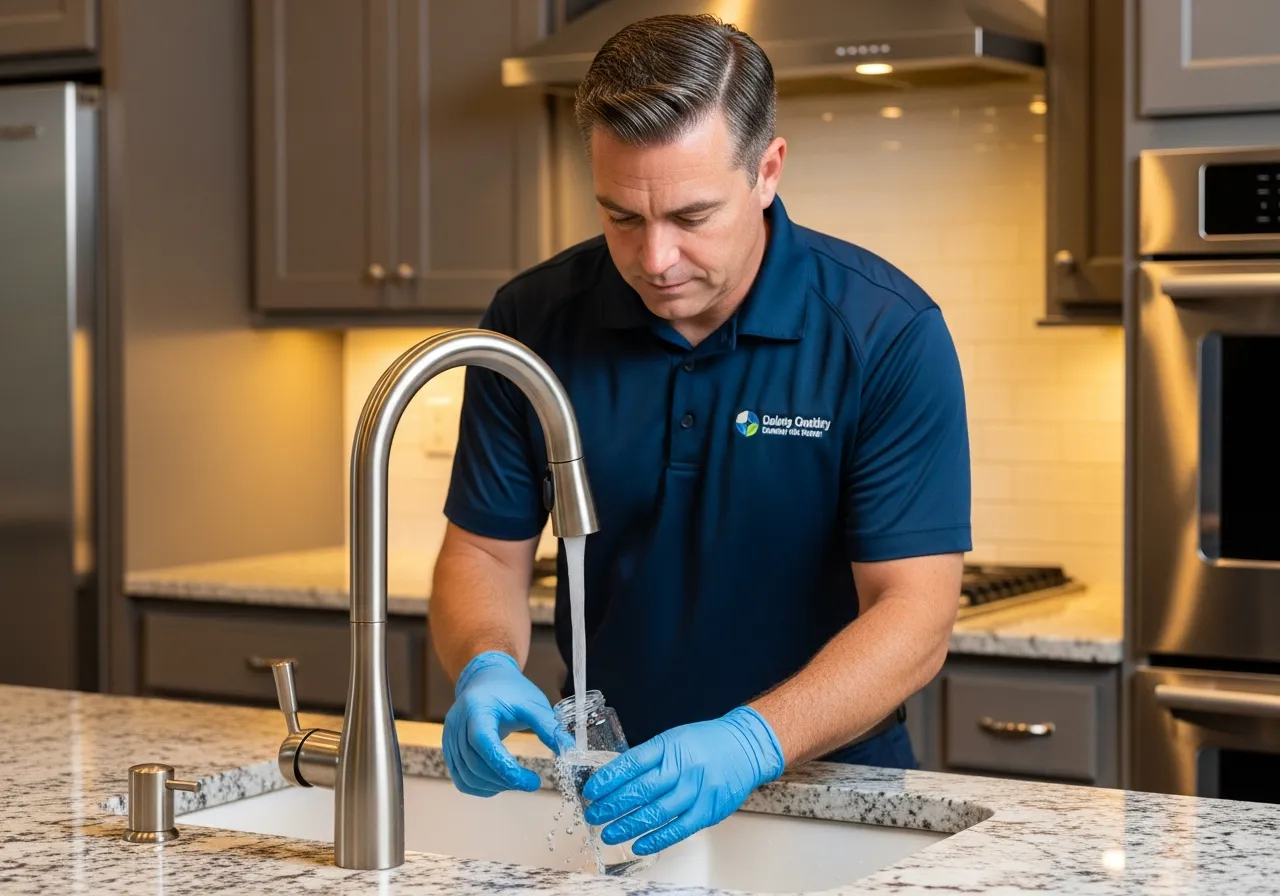
Grand Prairie homeowners and well owners deserve to know exactly what is in their drinking water -- and professional testing is the only reliable way to find out. North Texas groundwater flows through limestone formations that affect mineral content, while aging plumbing in older Grand Prairie homes can leach lead and copper into your supply. Our certified inspectors serve South Grand Prairie and every surrounding community with independent, accredited laboratory analysis.
Grand Prairie's Environment and the Need for Water Quality Testing
Grand Prairie sits in the North Texas region where water quality is influenced by limestone geology, agricultural activity in surrounding counties, and aging municipal infrastructure. Grand Prairie's position between Joe Pool Lake and Mountain Creek Lake creates a moisture-rich environment, and heavy rainfall events can introduce surface contaminants into both well and municipal water systems. Homes with private wells face additional risks from groundwater contamination sources including septic systems, agricultural runoff, and natural mineral deposits.
- Private wells in the Grand Prairie area draw from North Texas aquifers that flow through limestone, picking up hardness minerals and potentially harmful substances
- Homes built before 1986 may contain lead solder in copper pipe joints, leaching lead into drinking water — especially in first-draw samples
- Agricultural activity in surrounding counties contributes nitrate, herbicide, and pesticide contamination to local groundwater
- Severe weather and flooding can overwhelm water systems, introduce bacteria, and disturb sediment in distribution pipes
- Texas does not require ongoing testing for private wells after initial construction — homeowners must monitor their own water quality
For Grand Prairie families, understanding these water quality risks underscores why certified testing is not optional -- it is a critical safeguard for your household's health.
Step-by-Step: Water Quality Testing for Grand Prairie Properties
1
Consultation & Risk Assessment
We discuss your concerns, water source (municipal or well), home age, plumbing type, and any symptoms you have noticed. This helps us select the right testing panel and identify potential contamination sources.
2
First-Draw Sample Collection
For lead and copper testing, we collect a first-draw sample from water that has sat in pipes for 6+ hours (typically first thing in the morning). This captures the highest concentration of metals leaching from pipes and solder joints.
3
Flushed Sample Collection
A second sample is collected after running the water for 2-3 minutes to represent the quality of water from your main supply line or well. This helps distinguish between plumbing-related contamination and source water issues.
4
Well Head Inspection
For private well systems, we inspect the well head, casing, cap, and surrounding area for potential contamination pathways such as cracked casings, missing caps, nearby septic systems, or surface water drainage toward the well.
5
Sample Preservation & Chain of Custody
Samples are preserved according to EPA methods — some require ice, others need chemical preservatives. Each sample is labeled, documented, and sealed with formal chain of custody paperwork for the laboratory.
6
Accredited Laboratory Analysis
Samples are analyzed at a certified laboratory using EPA-approved methods. Standard panels test for 50+ parameters including bacteria, metals, nitrates, pH, hardness, and organic compounds. Results are compared against EPA Maximum Contaminant Levels (MCLs).
7
Results Report & Recommendations
You receive a detailed report showing each parameter tested, the detected level, the EPA standard, and whether it passed or failed. We include plain-language explanations and specific recommendations for any contaminants found above safe levels.
✓
Certified & conflict-free. Every inspector on our Grand Prairie team follows EPA sampling protocols. We test and report -- period. No water treatment sales, no upselling.
Typical Water Quality Testing Situations in Grand Prairie
Rural Well System Testing
Private wells in the Grand Prairie area draw from North Texas groundwater that flows through limestone formations, picking up hardness minerals, and may be affected by agricultural runoff carrying nitrates and herbicides. Texas does not require ongoing well water testing after initial construction, so professional analysis is the only way to confirm your well water is safe for your family.
Lead in Residential Plumbing
Many Grand Prairie homes built before 1986 contain lead solder in copper pipe joints and may have galvanized steel or lead service lines. As these materials corrode, lead and copper leach into your drinking water — especially in first-draw water that has sat in pipes overnight. Professional first-draw testing identifies whether your family is being exposed.
Severe Weather Water Risks
Grand Prairie's position between Joe Pool Lake and Mountain Creek Lake creates a moisture-rich environment. Heavy rainfall and flooding in Grand Prairie can overwhelm water systems, introduce surface contaminants into wells, cause pressure drops in municipal lines that allow backflow, and disturb sediment in distribution pipes. Testing after severe weather events verifies your water supply has not been compromised.
Pre-Closing Water Assessment
Before purchasing a home in Grand Prairie — especially one with a private well — professional water quality testing protects your investment. Contamination issues can cost thousands to resolve and may indicate broader groundwater problems. A certified lab report gives you negotiation leverage and peace of mind about your family's drinking water from day one.
Serving Every Grand Prairie Community
Our certified inspectors provide professional water quality testing throughout every Grand Prairie neighborhood:
South Grand PrairieNorth Grand PrairieDalworth ParkWestchesterMira LagosLake RidgeVillages of Woodland SpringsLone Star Park areaMountain Creek area
Understanding Grand Prairie Water Quality Testing Costs
Testing Panel Selected
Basic bacteria and lead screening costs less than comprehensive 50+ parameter analysis. The right panel depends on your water source, concerns, and whether this is routine monitoring or diagnostic testing.
Number of Sample Points
Testing a single kitchen tap costs less than sampling multiple locations (kitchen, bathroom, outdoor spigot, well head). Multi-point sampling identifies whether contamination is source-wide or localized to specific plumbing runs.
Water Source Type
Private well testing may include well head inspection and agricultural contaminant panels not needed for municipal water. Well systems often require more parameters to establish a complete safety profile.
Laboratory Turnaround
Standard results are available within 5-7 business days. Rush processing is available for urgent situations such as real estate closings or suspected bacterial contamination.
Specialized Parameters
Additional testing for radon in water, PFAS (forever chemicals), or pharmaceutical compounds requires specialized analytical methods at additional cost.
Water quality testing costs vary based on the panel selected and your water source. Call 940-240-6902 or request a free quote online for a personalized estimate for your Grand Prairie home or well. Most appointments scheduled within 24-48 hours.
What Grand Prairie Residents Ask About Water Quality Testing
What should I expect to pay for water testing in Grand Prairie?
Water quality testing costs in Grand Prairie depend on the testing panel selected and the number of sample points. A basic bacteria and lead screening is the most affordable option, while comprehensive 50+ parameter analysis provides a complete water safety profile. Well water testing may include additional parameters for agricultural contaminants common in the Grand Prairie area. Call 940-240-6902 for a personalized quote.
Should I worry about Grand Prairie water quality?
Grand Prairie municipal water meets EPA standards at the treatment plant, but contamination can enter between the plant and your tap. Aging infrastructure, lead solder in older homes, galvanized pipes, and cross-connection events can introduce contaminants after treatment. Grand Prairie's position between Joe Pool Lake and Mountain Creek Lake creates a moisture-rich environment, which can also affect water distribution systems. The only way to know what you are drinking at your specific Grand Prairie address is professional testing at your tap.
Is well water testing necessary in Grand Prairie?
Many Grand Prairie area properties rely on private wells, making regular testing essential. The EPA recommends annual testing for bacteria and nitrates at minimum. Test more frequently after flooding, nearby construction, septic system work, or if you notice taste, color, or odor changes. Texas does not require ongoing well water monitoring after initial construction, so the responsibility falls entirely on the homeowner.
What areas of Grand Prairie do you serve for water quality testing?
We provide water quality testing throughout all of Grand Prairie, including South Grand Prairie, North Grand Prairie, Dalworth Park, Westchester, Mira Lagos, Lake Ridge, Villages of Woodland Springs, Lone Star Park area, and surrounding areas. Our inspectors test both municipal water supplies and private well systems across every Grand Prairie neighborhood and the surrounding rural properties.
Can I get a same-week water test in Grand Prairie?
We typically provide 50-minute response for Grand Prairie appointments. For suspected bacterial contamination or urgent health concerns, we offer priority scheduling. Laboratory results are available within 5-7 business days for standard panels, with rush processing available for real estate closings and emergency situations. Call 940-240-6902 to book your appointment.
What is typically found in Grand Prairie water?
For Grand Prairie homes, we recommend testing for lead (especially in homes built before 1986), coliform bacteria, nitrates, pH, hardness, and total dissolved solids as a baseline. The North Texas region sits on limestone geology that creates hard water and alkaline conditions. Agricultural areas around Grand Prairie may also warrant testing for herbicides and pesticides. Homes with private wells should add iron, manganese, and sulfate to their testing panel.
Can water quality issues cause mold growth in my Grand Prairie home?
Yes, water quality problems and mold growth are often connected. Leaking pipes, condensation from plumbing issues, and moisture intrusion from well system failures all create conditions where mold thrives. If you are experiencing water quality concerns alongside musty odors or visible moisture, we can test for both water contaminants and mold during a single visit, providing comprehensive environmental data about your Grand Prairie property.
More Services Available for Grand Prairie Properties
Water Quality Testing in Nearby Cities
Helpful Testing Articles
Learn more about water quality testing from our expert guides:
Browse all articles for more tips and guidance.
Book Your Grand Prairie Water Quality Testing Appointment
Our inspectors provide Grand Prairie homeowners and well owners with honest, lab-backed water quality results. Zero treatment company ties mean zero bias in your analysis.
Contact us for a personalized water testing quote based on your water source and testing needs
Home >
Locations >
Grand Prairie >
Water Quality Testing