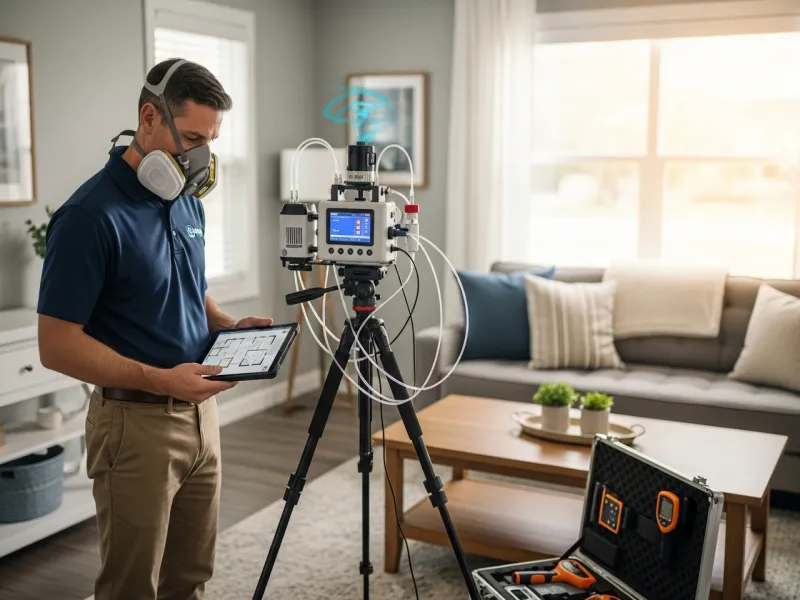
Living in an apartment in the Fort Worth area comes with unique mold risks that homeowners rarely face. Shared HVAC systems can circulate spores between units. Plumbing leaks in neighboring apartments seep through walls undetected. Inadequate bathroom ventilation traps moisture in windowless spaces. And when mold appears, tenants often face an uphill battle getting landlords to act without hard evidence. Mold Testing Fort Worth provides certified, independent apartment mold testing that gives renters the lab-verified documentation they need to protect their health and their rights under Texas property code. Our inspectors understand multi-unit building dynamics and know where apartment mold hides — behind shared walls, inside HVAC closets, under kitchen sinks, and around improperly sealed windows. Whether you are dealing with a musty smell your landlord dismisses, unexplained allergy symptoms that worsen at home, or visible mold growth your property manager has not addressed, professional testing creates the paper trail that drives action. Call 940-240-6902 to schedule your apartment mold inspection.
What Is Apartment Mold Testing?
Apartment mold testing is a professional indoor environmental assessment for rental units that collects air and surface samples to identify mold species and concentrations, providing tenants with certified lab results that document conditions and support repair requests under Texas habitability law.
Apartment mold testing is a professional indoor environmental assessment specifically tailored for rental units and multi-family housing. Unlike single-family home inspections, apartment testing accounts for shared building systems, neighboring unit moisture intrusion, and the landlord-tenant legal framework that governs habitability standards in Texas. Our inspectors collect air samples, surface samples where visible growth is present, and moisture readings using professional-grade instruments calibrated for the tight floor plans and limited ventilation common in apartment units. Results are documented in a detailed report that identifies mold species, spore concentrations compared to outdoor baselines, moisture sources, and recommended actions — all formatted to support habitability complaints, repair requests, or lease negotiations if needed. Testing is completely independent; we have no relationship with any property management company or remediation contractor, which means your results are unbiased and defensible.
Apartment Mold Testing Process: How We Work
1
Tenant Consultation
We discuss your concerns, symptoms, lease situation, and any history of water damage or maintenance requests. This helps us target the inspection to your specific apartment's risk areas.
2
Visual Inspection
Our inspector examines the apartment unit for visible mold, water stains, condensation patterns, ventilation deficiencies, and plumbing issues. Common problem areas include bathrooms, kitchens, HVAC closets, window frames, and shared walls.
3
Moisture & Humidity Mapping
Using professional moisture meters and hygrometers, we measure humidity levels and detect hidden moisture in walls, ceilings, and floors. Apartments with inadequate ventilation or shared plumbing often have elevated moisture in unexpected areas.
4
Air Quality Sampling
Calibrated air sampling pumps collect indoor air samples from affected rooms and a baseline outdoor sample. Spore trap cassettes capture airborne mold for laboratory species identification and quantification.
5
Surface Sampling (If Needed)
When visible or suspected mold growth is present, tape lift or swab samples are collected from affected surfaces to identify the specific mold species growing in your apartment.
6
Lab Analysis & Tenant Report
Accredited laboratory analysis identifies mold species and concentrations. Your report includes clear findings, comparison to outdoor baselines, identified moisture sources, and recommendations — formatted to support habitability requests to your landlord or property manager.
✓
Independent & unbiased results. Our certified inspectors focus on testing only -- never affiliated with remediation. Our team serves 31 DFW cities with lab-verified mold assessments.
Our Apartment Mold Testing Options
Tenant Health Concern Testing
Focused air quality and surface testing when you or your family are experiencing unexplained respiratory symptoms, allergies, or headaches that worsen when you are home. Results help identify whether mold exposure is a contributing factor.
Best for: Renters experiencing health symptoms they suspect are mold-related, especially in apartments with poor ventilation or history of water issues.
Lease Dispute Documentation Testing
Comprehensive testing with detailed documentation designed to support habitability complaints, repair requests, or early lease termination. Includes thorough photographic documentation and a report formatted for landlord or legal communication.
Best for: Tenants who have reported mold issues to their landlord without adequate response, or who need documentation for lease negotiations.
Move-In / Move-Out Baseline Testing
Baseline mold assessment conducted at the start or end of a lease to document apartment conditions. Protects your security deposit by establishing whether mold was pre-existing or developed during your tenancy.
Best for: Tenants moving into apartments with musty odors or visible water damage, or documenting conditions before move-out to protect security deposits.
Multi-Unit Investigation
Expanded testing that samples multiple rooms and includes moisture mapping to trace mold sources that may originate from neighboring units, shared plumbing, or building envelope failures.
Best for: Apartment complexes where multiple tenants are reporting similar issues, or when mold appears to be migrating between units through shared walls or HVAC systems.
Benefits of Professional Apartment Mold Testing
Independent Third-Party Results
Our testing is completely independent of your landlord, property management company, and any remediation contractor. Results are unbiased and defensible for dispute resolution or legal proceedings.
Texas Tenant Rights Documentation
Reports are formatted to support repair requests under Texas Property Code sections governing habitability. Certified lab results carry more weight than tenant complaints alone when compelling landlord action.
Apartment-Specific Expertise
Our inspectors understand multi-unit building dynamics including shared HVAC cross-contamination, neighboring unit moisture intrusion, and the ventilation deficiencies common in DFW apartment construction.
Security Deposit Protection
Move-in and move-out baseline testing documents pre-existing mold conditions so landlords cannot deduct remediation costs from your security deposit for problems that were not your fault.
Fast Turnaround for Urgent Situations
We understand that renters often face time-sensitive situations with lease renewal deadlines or habitability complaints. Same-week scheduling and priority lab processing are available.
Health Risk Assessment
Lab results identify specific mold species and concentrations, helping you and your physician understand potential health implications and make informed decisions about continued occupancy.
Why Choose Mold Testing Fort Worth for Apartment Mold Testing?
- Our inspectors are experienced with apartment and multi-family building assessments, understanding shared HVAC, plumbing, and structural issues unique to rental properties
- Reports are formatted to support Texas habitability complaints and landlord repair requests, not just raw data
- Completely independent testing — we have no relationship with property management companies or remediation contractors
- Same-week scheduling throughout the Fort Worth metro area, including evenings and weekends to accommodate renter schedules
- Clear, plain-language reports that explain findings, health implications, and recommended next steps for tenants and landlords alike
Apartment Mold Testing Serving Fort Worth Communities
We provide professional apartment mold testing throughout the Fort Worth metro area including Fort Worth, Arlington, Grand Prairie, Mansfield, and North Richland Hills. View all service areas.
What Affects Apartment Mold Testing Cost in Fort Worth?
Unit Size
Studio and one-bedroom apartments require fewer samples than larger two or three-bedroom units. Testing a single room of concern is the most affordable option.
Number of Samples
Basic testing includes 2-3 air samples (one outdoor baseline plus 1-2 indoor). Additional rooms or surface samples increase the cost but provide more comprehensive data.
Type of Documentation
Standard health-concern testing is less involved than comprehensive lease-dispute documentation, which includes detailed photography, moisture mapping, and a more extensive report.
Urgency
Standard scheduling is available within the week. Rush or same-day appointments may be available at additional cost for urgent health concerns or lease deadlines.
Combined Services
Combining air quality testing with surface sampling and moisture inspection provides the most complete picture and better value than individual tests.
Our mold testing services start at $600 (includes 2 samples, moisture inspection & full report; +$0.10/sq ft for homes over 2,500 sq ft). Call 940-240-6902 or get your free quote online — most appointments scheduled within 24-48 hours.
Frequently Asked Questions About Apartment Mold Testing
Can I get my apartment tested for mold without my landlord's permission?
Yes. As the tenant in legal possession of the unit, you have the right to hire an independent inspector to test indoor air quality and collect samples in your apartment. Texas law does not require landlord permission for tenant-initiated environmental testing. Our inspectors are professional and non-destructive — no holes, no damage, no access to areas beyond your unit.
How much does apartment mold testing cost in Fort Worth?
Apartment mold testing typically starts at $600 for a basic air quality assessment plus outdoor baseline. Comprehensive testing with multiple rooms, surface sampling, and detailed documentation for lease disputes ranges from $600 to $900 depending on unit size and scope. Call 940-240-6902 for a specific quote.
What if my landlord refuses to fix the mold problem?
Texas Property Code requires landlords to make a diligent effort to repair conditions that affect the physical health or safety of an ordinary tenant. Our certified lab report provides the documentation you need to formally request repairs in writing. If the landlord still refuses, the report supports further action including rent withholding (following proper legal procedures), lease termination, or filing with your local code enforcement office.
Will mold testing damage my apartment?
No. Our testing methods are completely non-destructive. Air sampling uses a portable pump that sits on a surface. Surface sampling uses small tape lifts or swabs. Moisture readings use contact meters that do not penetrate walls. There is no damage, no holes, and no alterations to your apartment.
Can mold spread from a neighboring apartment to mine?
Yes, this is common in multi-unit buildings. Mold spores can spread through shared HVAC ductwork, migrate through porous shared walls, and follow plumbing chases between units. Water leaks in an upstairs or adjacent unit can create hidden moisture in your walls or ceiling. Our testing can identify elevated spore levels that suggest a source beyond your unit.
How long does apartment mold testing take?
A typical apartment inspection takes 45 minutes to 1.5 hours depending on unit size and the number of samples collected. Lab results are available within 1-3 days. Rush processing is available when urgent situations require faster answers.
Should I test for mold before signing a new lease?
We strongly recommend pre-lease testing if you notice musty odors, see water stains, or observe any signs of moisture problems during your walkthrough. A baseline test documents conditions before you take possession, protecting you from liability for pre-existing issues and informing your decision about whether to sign the lease.
Does renters insurance cover mold testing?
Most renters insurance policies do not cover mold testing costs. However, if mold is discovered and traced to a covered peril (like a burst pipe), your policy may cover related property damage. The testing report documents the connection between the moisture source and mold growth, which strengthens insurance claims.
Helpful Mold Testing Articles
Learn more about apartment mold testing and mold prevention from our expert guides:
Browse all articles for more mold testing tips and guidance.
Trusted Mold Safety Resources
For additional information about mold health risks and testing standards, we recommend these authoritative resources:
Protect Your Health and Your Lease Rights
Apartment mold problems do not fix themselves — and without certified documentation, landlords have little incentive to act. Our independent testing gives you the lab-verified evidence you need to demand repairs, negotiate your lease, or make informed decisions about your living situation. Our inspectors work around your schedule, including evenings and weekends.
Starting at $600 — 2 samples, moisture inspection & full report included
Related Services
Apartment Mold Testing — Cities We Serve
Our certified inspectors provide apartment mold testing across Fort Worth and the surrounding DFW Metroplex. Select your city for local pricing, scheduling, and service details:
Don't see your city? Call 940-240-6902 — we serve all of Tarrant County and neighboring areas.
Home > Services > Apartment Mold Testing